


How do I reduce, reuse & recycle?
Confused about how you can use less resources and recycle more? Find out more here!d
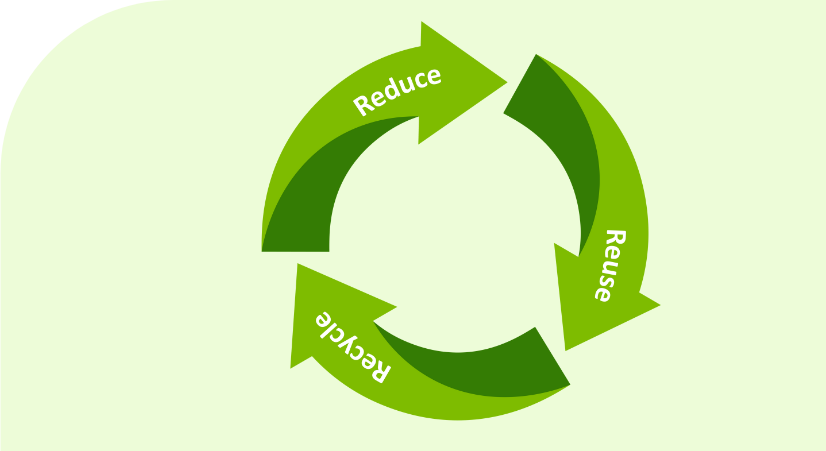
How do I reduce?
Reducing what we buy and use is one of the most powerful ways to cut waste, conserve resources, and protect the environment. Here are a few simple ways to start:
- Buy less, choose well. Think about what you really need before you buy, and opt for long-lasting, high-quality items.
- Say no to single-use. Avoid disposable products where possible — carry a reusable water bottle, coffee cup or shopping bag.
- Plan ahead. Planning meals ahead helps reduce food waste and unnecessary packaging.
- Share, repair, reuse. Borrow, swap, and fix what you can before replacing it.
Every small action adds up, reducing is about making thoughtful choices that have a big impact over time.
Ready to take the next step? Explore our community resources and education resources to learn more.
Frequently asked questions
YES! Bottles must be empty, and the caps back on before being recycled. Leave the label on. Milk bottles should be rinsed before recycling. test
The tops go with the bottles to the reprocessor where they are cut up into flakes and the bottle and tops (which are different plastics) are separated before they are turned into pellets. The pellets made from the bottle themselves are then sent to either make new bottles. The pellets made from the tops are sent to go into garden furniture or items for construction such as piping or traffic cones.
YES! All plastic bottles can be recycled in household recycling collections. Plastic bottles must be empty, and the cap on. Make sure all plastic cleaning product bottles, are empty and put the cap back on before recycling.
At the Materials Recovery Facility (MRF) all the mixed dry recycling is sorted by type (paper, cardboard, steel cans, aluminium cans, and plastics). This process involves a lot of complex machinery which gets covered in the residue and dirt that householders place in their recycling bins. This residue can cause machinery to breakdown. Many UK MRF’s also have a section where the material is hand sorted, not a pleasant job if the material is covered in food remains. Remember also that the cleaner the recycling is the greater the quality and higher value the material will be to the recycler. It also keeps your bin clean if you empty, rinse and dry plastics packaging before recycling.
YES! Trigger and pump sprays can be recycled so please leave in the plastic bottle. Always empty and put the cap or lid back on.
YES! Bleach bottles can be recycled just ensure they are empty and replace the cap before recycling.
YES! Empty, and rinse the bottle and recycle with the cap back. Remember the clean and dry rule.
CLEAN AND DRY IS THE RULE
Contamination costs your Local Authority as it can cause breakdowns and affects the quality of recycling – it also helps keep your bin clean and reduce smells and reduces the risk of your bin or the recycling load being rejected as ‘contaminated’. Please remember the clean and dry rule.
Remove the film lid and the absorbent layer and put these into general waste or you can take these film lids to your nearest supermarket front of store plastic bags and wrappings recycling. Make sure the tray or punnet is empty, clean, and dry and recycle.
Many UK Supermarkets are now taking carrier bags and bread bags etc. in their front of store collections. Please look for the OPRL label on your plastic bags and wrappings and check the following links for your nearest store https://www.recyclenow.com/local-recycling
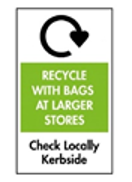
Examples of these are soup or yoghurt pots, meat or fruit/veg trays, margarine and plastic ice-cream tubs.
The recycling journey
Ever wondered what happens to your plastic recycling when it gets collected? Watch these videos to find out!

